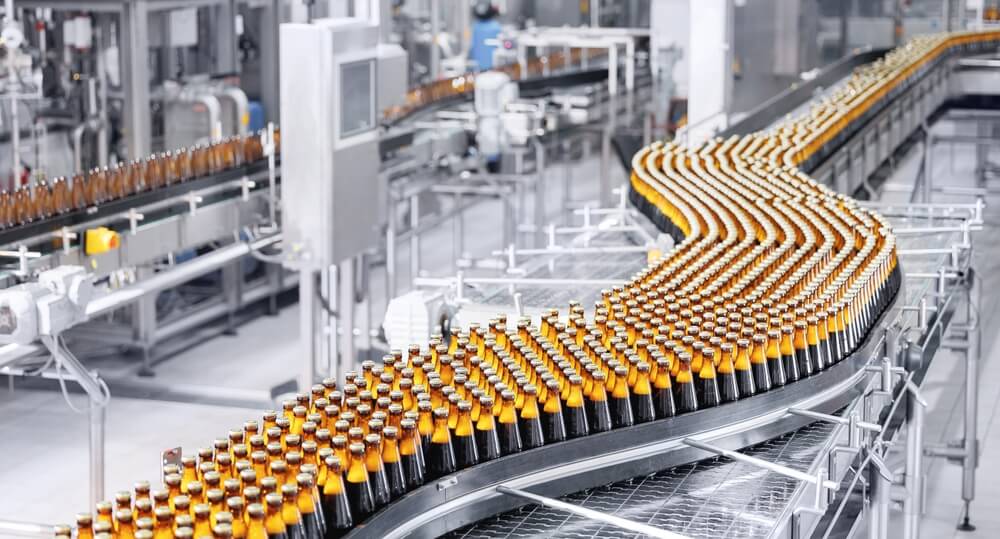
Brewing beer is a water-intensive process. Water isn’t just the primary ingredient in beer—it’s also essential for cleaning, rinsing, and maintaining brewing equipment. On average, breweries use seven barrels of water for every barrel of beer produced. Even the most water-efficient operations still require around three barrels of water per barrel of beer.
As sustainability becomes a top priority across industries, wastewater management is a critical consideration for breweries. Proper wastewater treatment ensures compliance with environmental regulations, reduces costs, and minimises the ecological impact of brewery operations. 🍺💧
The Challenges of Brewery Wastewater
Breweries generate wastewater rich in organic materials like sugars, yeast, and proteins. While these elements aren’t inherently toxic, they contribute to high biochemical oxygen demand (BOD) levels. This can overwhelm municipal water treatment facilities and disrupt natural ecosystems. Excess nutrients can also lead to algae overgrowth in local waterways, harming aquatic life and water quality. 🐟🌿
Many breweries face a tough decision: should they treat wastewater on-site or rely on municipal treatment systems? In some cases, municipal facilities may not have the capacity to handle high-strength brewery wastewater, forcing breweries to explore alternative solutions. 🤔
Wastewater Treatment Solutions for Breweries 🛠️
Breweries have several options for managing wastewater effectively:
1. Municipal Treatment Partnerships 🏙️
Some breweries send their wastewater to municipal treatment facilities. However, if local plants lack the capacity to handle high-strength wastewater, breweries may need to explore other options.
2. On-Site Wastewater Treatment Systems 🏭
Investing in an on-site treatment facility allows breweries to manage their wastewater independently. Many breweries use anaerobic digesters, filtration systems, or other advanced technologies to reduce environmental impact and operating costs.
3. Resource Recovery ♻️
Some breweries partner with wastewater treatment companies to convert wastewater into reusable resources, such as clean water and energy. By treating and repurposing wastewater, breweries can reduce overall water consumption and improve sustainability.
The Role of Heat Exchangers in Wastewater Treatment 🔥❄️
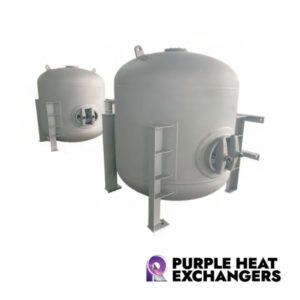
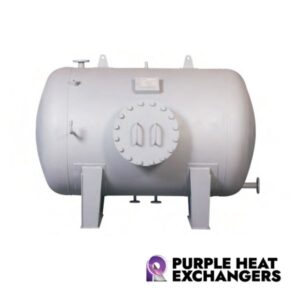
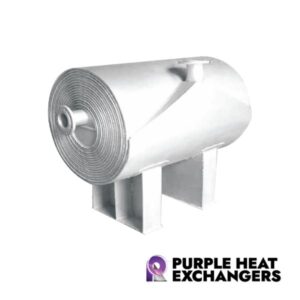
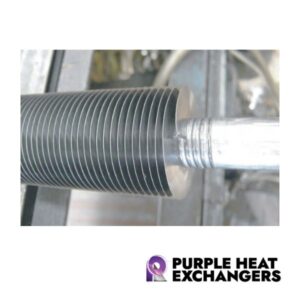
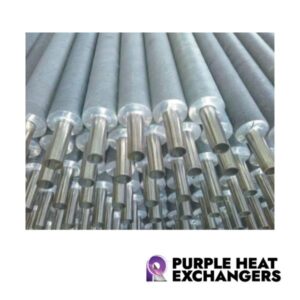
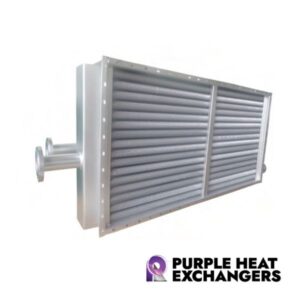
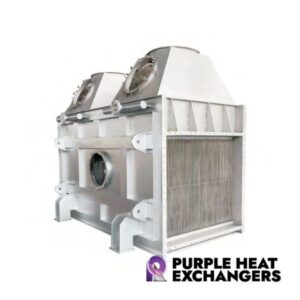
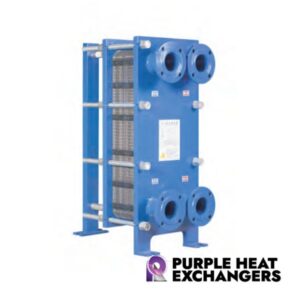
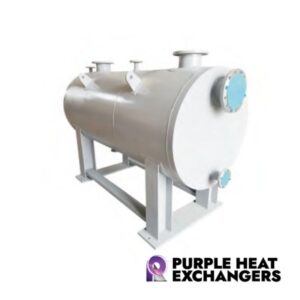
Efficient wastewater treatment often involves temperature regulation. Heat exchangers play a crucial role in stabilising wastewater temperatures, improving treatment efficiency, and recovering heat for reuse in brewing processes. For example, shell and tube heat exchangers help breweries maintain optimal temperatures while reducing energy consumption.
As the authorised distributor of Enerquip products in Australia, HeatEx (Purple Engineering) offers high-quality heat exchangers designed for the brewing industry. Explore our range of heat exchangers, including the Enerquip Shell and Tube Heat Exchanger, which is ideal for wastewater treatment. Learn more here: Enerquip Shell and Tube Heat Exchanger. 🔗
Minimising Environmental Impact 🌱
Sustainable wastewater management is vital for breweries looking to minimise their environmental impact and improve operational efficiency. Whether through municipal partnerships, on-site treatment systems, or resource recovery, breweries have multiple options for responsible wastewater management.
For breweries considering wastewater treatment upgrades, the right equipment is essential. HeatEx’s engineers have extensive experience providing heat exchangers for food and beverage manufacturers, including breweries. As the authorised distributor of Enerquip products in Australia, HeatEx (Purple Engineering) is here to help you find the perfect solution for your needs. 🤝
Final Thoughts 💭
Sustainable wastewater management isn’t just good for the environment—it’s also good for business. By investing in efficient treatment systems and technologies like heat exchangers, breweries can reduce costs, comply with regulations, and contribute to a healthier planet. 🌍🍻
Ready to optimise your brewery’s wastewater management? Explore our range of Enerquip heat exchangers today. For more insights and tips, visit our Resources section. 📚