Finding the Right Heat Exchanger for Your Application
Heat exchangers are essential components in industrial heating and cooling systems, ensuring efficient energy transfer while maintaining process stability. However, selecting the right heat exchanger isn’t a one-size-fits-all decision. Factors like industry requirements, heat load, material compatibility, and efficiency goals all play a role in determining the best solution.
At Purple Heat Exchangers, we specialise in designing and manufacturing custom and standard heat exchangers to meet the unique needs of industries such as chemical processing, food and beverage, pharmaceutical, renewable energy, and petrochemicals. This guide will help you navigate the key considerations when choosing the right heat exchanger for your application.
1. Understanding Different Types of Heat Exchangers
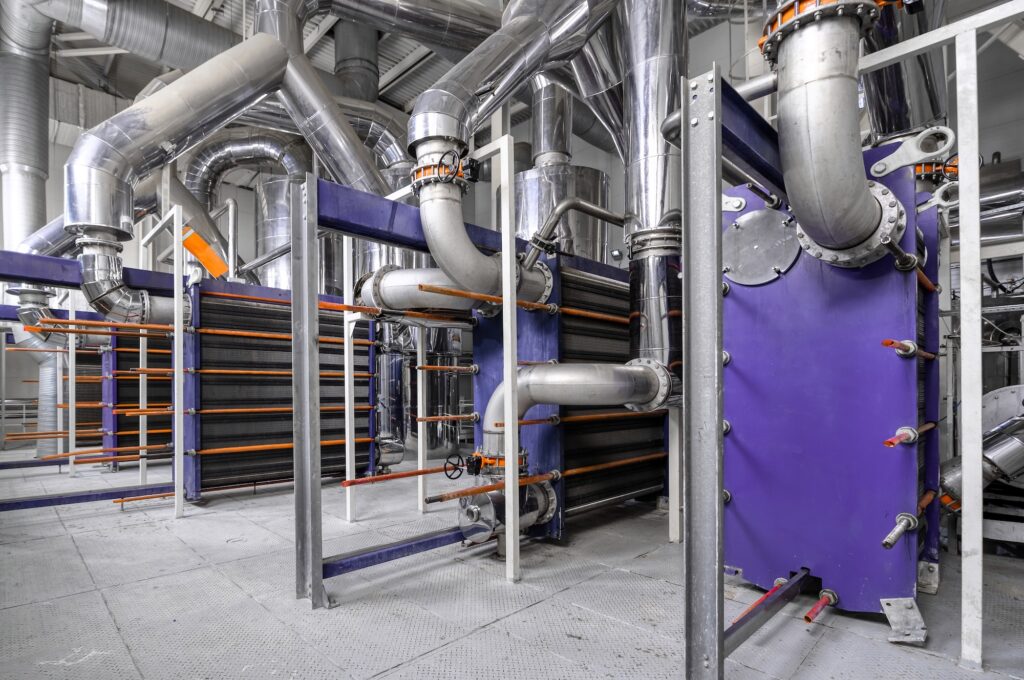
The first step in selecting a heat exchanger is understanding the different types available and how they function.
Shell and Tube Heat Exchangers
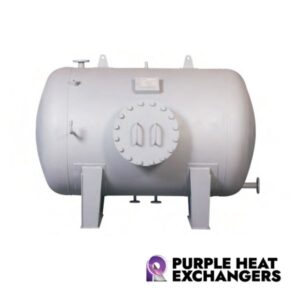
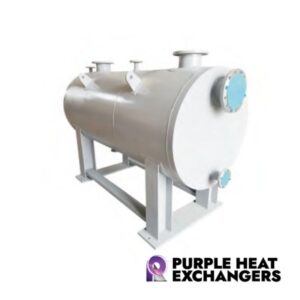
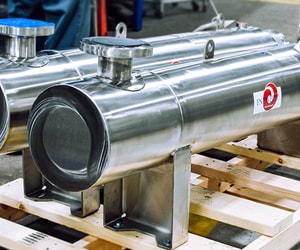
A shell and tube heat exchanger consists of a series of tubes enclosed in a larger cylindrical shell. One fluid passes through the tubes, while another flows around them, enabling efficient heat transfer. These exchangers are widely used across industries due to their high pressure and temperature resistance, making them ideal for applications such as:
- Chemical Processing – Handling corrosive fluids and high-temperature reactions
- Food & Beverage – Pasteurisation, product cooling, and sanitation
- Pharmaceuticals – Purified water systems, WFI cooling, and clean-in-place (CIP) processes
- Petrochemicals – Oil refining, fuel heating, and gas processing
Best for: Applications requiring durability, high heat transfer rates, and pressure resistance.
Plate Heat Exchangers
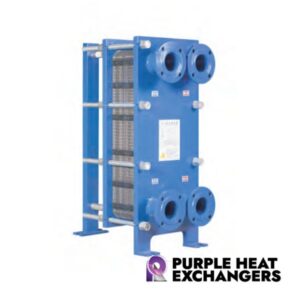
Plate heat exchangers consist of thin, corrugated plates stacked together to maximise surface area for heat transfer. These units are commonly used for low to medium pressure applications and are preferred in industries where space-saving, high efficiency, and easy maintenance are priorities, such as:
- Food & Beverage – Milk and juice pasteurisation
- HVAC & Refrigeration – Chilled water systems
- Dairy Processing – Sanitary heating and cooling of milk products
Best for: Compact applications requiring efficient heat transfer with moderate temperature and pressure demands.
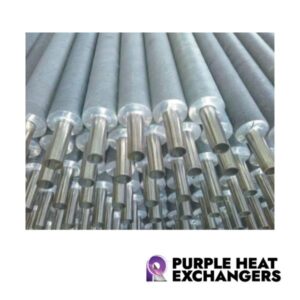
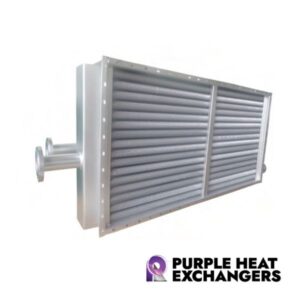
Air-Cooled Heat Exchangers
Air-cooled heat exchangers use ambient air to remove heat from process fluids, eliminating the need for water as a cooling medium. These are widely used in off-grid operations and water-scarce environments, including:
- Power Generation – Cooling steam and turbines
- Renewable Energy – Hydrogen and biofuel processing
- Industrial Manufacturing – Heat dissipation from compressors and condensers
Best for: Facilities without access to a cooling water source or those seeking energy-efficient cooling solutions.
2. Key Factors to Consider When Choosing a Heat Exchanger
a) Heat Load & Efficiency
Different industries have varying heat load requirements, which dictate the size and type of heat exchanger needed. Shell and tube heat exchangers are ideal for handling large heat loads, whereas plate heat exchangers are more suited for applications requiring compact, high-efficiency solutions.
✅ Consider:
- Required temperature rise/drop for the process
- Flow rate of both hot and cold fluids
- Heat exchanger surface area and efficiency rating
b) Fluid Type & Corrosion Resistance
The properties of the fluids being heated or cooled significantly impact heat exchanger selection. Aggressive chemicals, high-viscosity fluids, and sanitary requirements all play a role.
✅ Consider:
- Corrosive fluids: Stainless steel, Hastelloy, or titanium heat exchangers
- Sanitary applications: 316L stainless steel with a polished finish
- High-viscosity fluids: Heat exchangers with larger tube diameters or plate gaps
c) Pressure & Temperature Requirements
Different industries require heat exchangers that withstand specific pressure and temperature conditions.
✅ Consider:
- High-pressure applications: Shell and tube exchangers with ASME and TEMA compliance
- Low-pressure applications: Plate heat exchangers
- Extremely high temperatures: Thermal fluid or steam-based exchangers
d) Maintenance & Cleanability
Industries like food processing, pharmaceuticals, and petrochemicals demand easy-to-clean heat exchangers to prevent contamination and fouling.
✅ Consider:
- Shell & tube heat exchangers – Can be designed with removable tube bundles for easy cleaning
- Sanitary heat exchangers – Feature electropolished stainless steel surfaces and tri-clamp fittings for clean-in-place (CIP) compatibility
- Self-cleaning designs – Reduce downtime in critical processes
e) Space Constraints & Installation
Facility space limitations often dictate which heat exchanger is most suitable. Plate heat exchangers are compact and wall-mounted, whereas shell & tube exchangers require larger footprints but offer long-term durability.
✅ Consider:
- Available installation space
- Orientation (vertical, horizontal, skid-mounted)
- Accessibility for maintenance and servicing
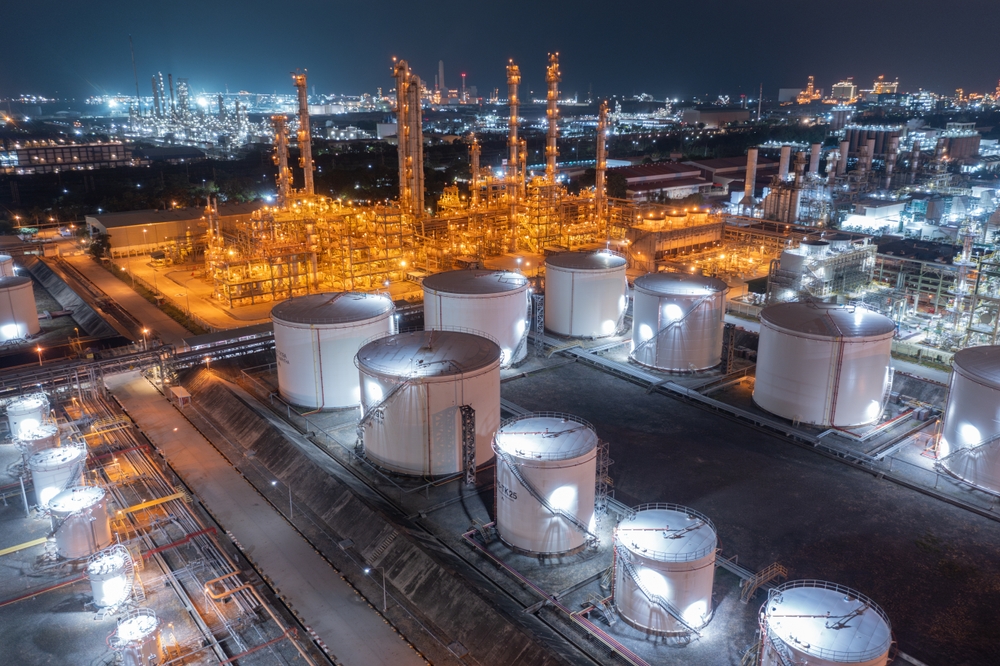
3. Industry-Specific Heat Exchanger Recommendations
Chemical & Petrochemical Industry
✔ Best choice: Shell & Tube Heat Exchangers for high-temperature and pressure applications.
Food & Beverage Industry
✔ Best choice: Sanitary Shell & Tube or Plate Heat Exchangers for pasteurisation and cooling processes.
Pharmaceutical & Biotechnology Industry
✔ Best choice: Sanitary & High-Purity Shell & Tube Exchangers for WFI heating, steam generation, and CIP heating.
Renewable Energy Industry
✔ Best choice: Waste Heat Recovery Exchangers & Thermal Fluid Heaters for biofuels and hydrogen production.
Power Generation & Industrial Applications
✔ Best choice: Air-Cooled Heat Exchangers & Shell & Tube Exchangers for steam cooling and emissions control.
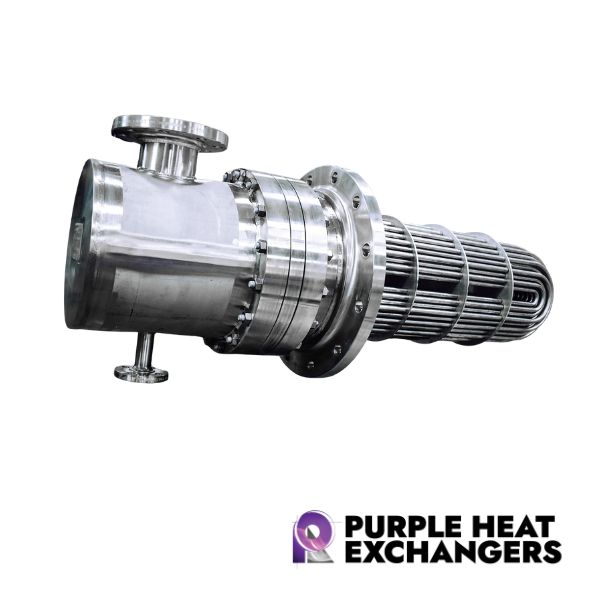
Why Choose Purple Heat Exchangers?
At Purple Heat Exchangers, we specialise in designing and manufacturing high-performance shell and tube heat exchangers, vapor condensers, and custom industrial heating solutions for a wide range of industries.
✔ ASME & TEMA-certified heat exchangers for industrial and sanitary applications
✔ Custom fabrication to meet unique process requirements
✔ Energy-efficient designs to reduce operating costs and improve productivity
✔ Expert engineering support to help select the best heat exchanger for your facility
Whether you need a custom solution or a direct replacement, we’re here to help. Contact us today to discuss your project requirements.
📞 Call us at 1300 62 4020
📩 Request a Quote Now
Final Thoughts
Choosing the right heat exchanger improves efficiency, reduces costs, and enhances overall process performance. By considering temperature demands, pressure limits, fluid properties, and maintenance requirements, you can select a heat exchanger that meets your industry’s needs.
Looking for expert guidance on selecting the right heat exchanger? Our engineers at Purple Heat Exchangers are ready to assist.
🚀 Get in touch today and optimise your process heating & cooling systems!